

A Living Landscape
Regenerating
the Valley
Hand Bent Banana is a mission-locked social enterprise on 20 acres in the Tallebudgera Valley. Every workshop run, every event hosted, every visitor welcomed funds the long-term health of this landscape and the people who belong to it.
Creativity and Conservation Are the Same Work
Our Sustainability Principles
We operate from a simple belief: healthy communities depend on healthy ecosystems.
Through creative practice, environmental stewardship and community participation, we cultivate flourishing ecologies, both on our property and beyond. The testimonial below highlights how an arts-led nature-based experience at Hand Bent Banana inspired environmental restoration and sustainable action on another property.
"The Water Walk inspired me to look beyond the present landscape and understand the deeper ecological story of my property. What I thought was a construction project became a restoration project. I am now working to restore natural water flows and biodiversity because of the insights I gained during the experience."
— Glenda, Water Walk Participant
Attested
We build on proven initiatives to strengthen environmental capacity, economic sustainability and innovative arts, nature and health programs. Through collaboration and knowledge sharing, we develop practical and creative responses to contemporary environmental challenges.
Flourishing
We cultivate thriving people, places and ecosystems. Through art, music, storytelling, ecology and transdisciplinary learning, we nurture flourishing communities and resilient landscapes, working with our alliances, partnerships and deep community networks.
How we Care for Country
Active restoration work runs alongside our arts programs. The property is a working ecological landscape as much as a creative one.
The practices listed below help protect sensitive habitats and maintain the natural character of the property.
Ecological stewardship

HABITAT
An expert in natural camouflage, the Pink-tongued Skink (Cyclodomorphus gerrardii) was photographed on-site in our restoring forest corridors. As a specialised predator of land snails and slugs, this beautiful reptile relies heavily on deep, undisturbed leaf litter and native groundcover. Maintaining these raw, unraked floor zones is a core pillar of our land stewardship, ensuring vital micro-fauna have the shelter they need to keep our ecosystem in perfect balance.
Nature Protection
To minimise impacts on wildlife and ecosystems we:
-
Undertake riparian restoration both on our 20acres and in the surrounding rural area
-
Actively plant native endemic trees and flora
-
Strengthen wildlife corridors by managing weed infestations
-
Encourage walking and car-pooling
-
Restrict vehicle access to designated areas
-
Maintain quiet zones for wildlife
-
Minimise artificial lighting
-
Encourage visitors to help protect sensitive habitats and the character of the property.
-
Encourage informed, ethical purchasing decisions that protect vulnerable species.

WATER
By honouring water as a living principle, our land management practices prioritise the absolute protection of our natural springs, creek lines, and riparian corridors. The semi-aquatic reeds and sedges growing along the bank act as nature’s bio-filters, stabilisation systems, and critical micro-habitats for local macro-invertebrates and frogs.
Protecting Our Living Waterways
Water is one of our most precious resources. We actively manage our water stewardship to protect our local catchment by:
-
Harvesting water responsibly
-
Conducting regular, ongoing monitoring of our water usage and water quality
-
Using water-efficient fixtures and water-saving devices
-
Cultivating native landscaping filled with local, climate-appropriate flora
-
Maintaining runoff mitigation & soil protection practices
-
Encouraging visitors to bring reusable water bottles for water
-
Retaining eco-compliant wastewater management practices
.jpg)
ENERGY
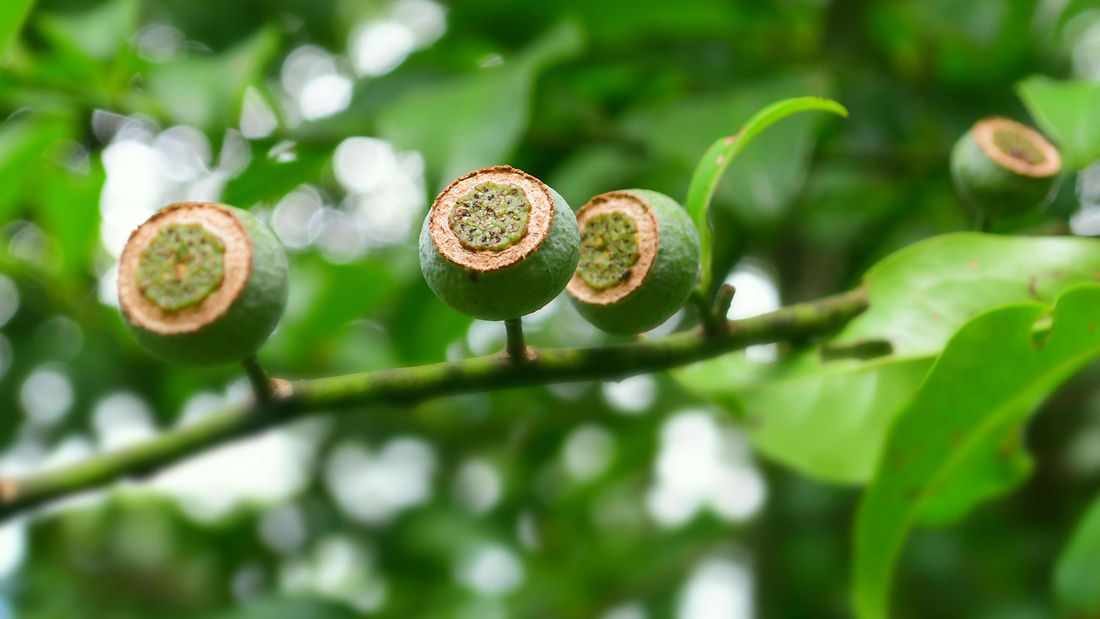
The striking interplay of light and canopy captured in this image represents our dual commitment to clean energy and circular waste systems. True environmental awareness requires looking both upward to renewable energy sources and downward to the health of the soil.
Off-Grid Energy, & Zero-Waste
The landscape is our greatest sustainability partner, helping to minimise emissions, conserve resources, and support sustainable outcomes. We actively reduce our carbon footprint through:
-
Solar-powered infrastructure
-
Passive building design & natural ventilation
-
Energy-efficient lighting and appliances
-
Future battery storage initiatives
-
Encourage visitors to participate in our waste minimisation and management strategies
-
Exploring circular design practices in our initatives
Caring for Place Together
Sustainability is a shared responsibility. Whether you're visiting, creating, volunteering, supplying goods and services, or supporting our programs, your choices help protect the natural and cultural values of this special place. Here are some simple ways you can contribute to a flourishing future.
Visitors
-
Bring a reusable water bottle
-
Read and follow our 'Leave No Trace' and Nature Ethics protocols
-
Stay on designated trails
-
Respect wildlife and natural habitats
-
Don't feed the wildlife
-
Reduce waste during your visit
-
Car-pool to our prgorams
-
Enjoy slow-tourism - listen for the sounds of nature as the primary acoustic experience.
-
Seek permission before collecting natural materials from the landscape
-
Engage in "Citizen Science" by documenting native flora and fauna sightings
Discover how responsible choices help nurture thriving landscapes, communities and creative practice.
Artists
-
Choose low-impact and reusable materials
-
Minimise packaging and waste
-
reducing their studio carbon footprint through non-toxic, upcycled materials.
-
Highlight local ecological issues
-
Consider using local suppliers with transparent environmental policies and sustainable practices.
-
Support arts experiences and practice as a space for learning, reflection and experimentation for environmental structural change
Artists can have a tangible impact on the ways communities make sustainable choices-Cultural sustainability is a key pillar of climate adaptation and justice.
Facilitators
-
Encourage participants to car-pool
-
Use digital resources where possible
-
Support environmental responsible event delivery
-
Promoting ecological empathy reflective of HBB's Nature Ethics
-
Advocate for Local Ecosystem Health
-
Emphasise sustainable goals and principles in programming and events
-
Empower actions led by local communities and First Nations People
-
Practice minimal-impact activities
-
Pack-in, Pack-out
By nurturing a reciprocal relationship between personal healing and planetary health, participants are empowered to become environmental stewards.
Suppliers
-
Provide local, ethical and environmentally responsible products
-
Support circular economy initiatives
-
Prioritise recycled, renewable, and eco-friendly materials
-
Focus on waste reduction and end-of-life recycling programs
-
Invest in renewable energy sources, energy-efficient manufacturing processes, and optimised transportation routes
We prioritise local suppliers, regional producers, salvaged timber, recycled materials, and plastic-free alternatives. Where possible, artistic materials, including natural pigments and clay , are sourced from within the region where ever possible.
Protecting Global Wildlife
Ethical Purchasing & Wildlife Protection
We advocate for ethical, sustainable purchasing well beyond our boundaries. We strongly advise all visitors, artists, and community members to refuse to purchase items derived from rare or threatened species from other retail markets, international vendors, or alternative sources (including items made from illegal ivory, rare timber, reptile skins, tortoiseshell, or non-certified traditional medicines).
Our Sustainability Priorities
Looking Ahead
Sustainability isn't a destination. We are committed to continuous improvement.
These are our active commitments for the coming years.
-
Runoff & Flood Resilience: Manage natural vegetative buffers and riparian zones to slow down extreme wet-season storm runoff, prevent topsoil erosion, and safely direct floodwaters through spring-fed dams.
-
Improve Air Quality: Increase native tree plantings across the property for habitat and oxygen production
-
Community Environmental Literacy; Develop new citizen science programs
-
Corridor Regeneration: Active community conservation & habitat growth to provide uninterrupted protection for native micro-fauna, reptiles, and local understory species.
-
Carbon Foot Print: Expand renewable energy storage capacity
-
Passive Design: Incorporate passive solar design principles into the physical footprint to naturally maximise energy efficiency and reduce the property's overall carbon load.
Hand Bent Banana Art Nature & Health Centre is more than a destination; it is a living commitment to creativity, conservation and community. Together, we are cultivating a future where people and place can flourish for generations to come.